
How ATrack Helps Measure ABA Therapy Progress in Ohio

When a child begins ABA Therapy in Ohio, families naturally want to understand whether treatment is leading to meaningful improvements.
At Buckeye Behavioral Consulting Inc., progress is evaluated through individualized treatment goals, ongoing data collection, and regular review by the clinical team.
We use ATrack, an ABA data collection and practice management platform, to help our clinicians document therapy sessions, organize treatment information, and monitor progress over time.
From individualized goals to measurable outcomes
No two children begin ABA therapy with the same strengths, challenges, or priorities.
A Board Certified Behavior Analyst® (BCBA®) develops an individualized treatment plan based on assessment results, clinical observations, and family input.
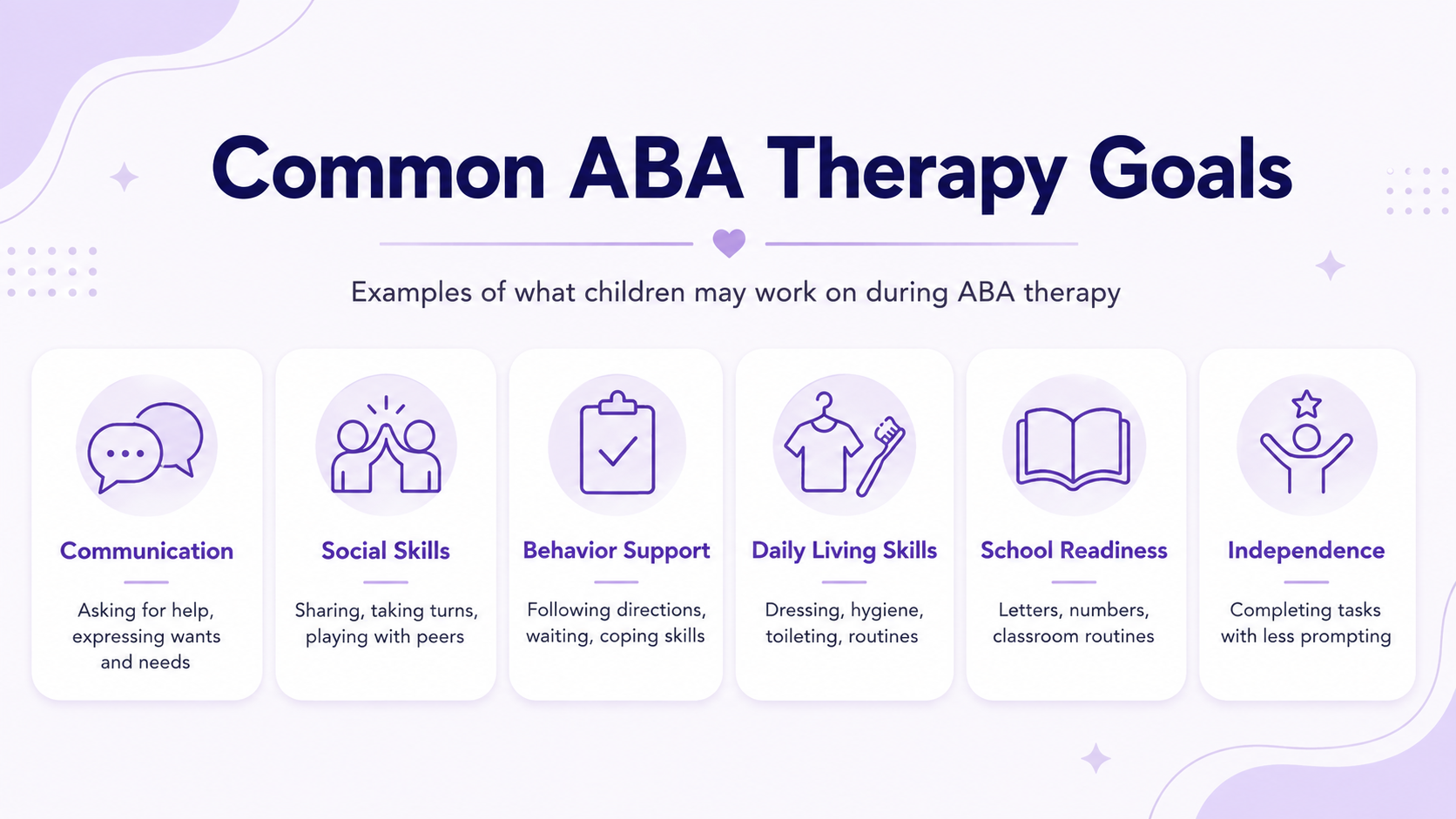
Goals may address:
Communication
Social interaction
Daily living skills
Behavior support
School readiness
Following routines
Greater independence
Each goal is structured so progress can be measured rather than based only on general observations.
How ATrack supports ABA data collection
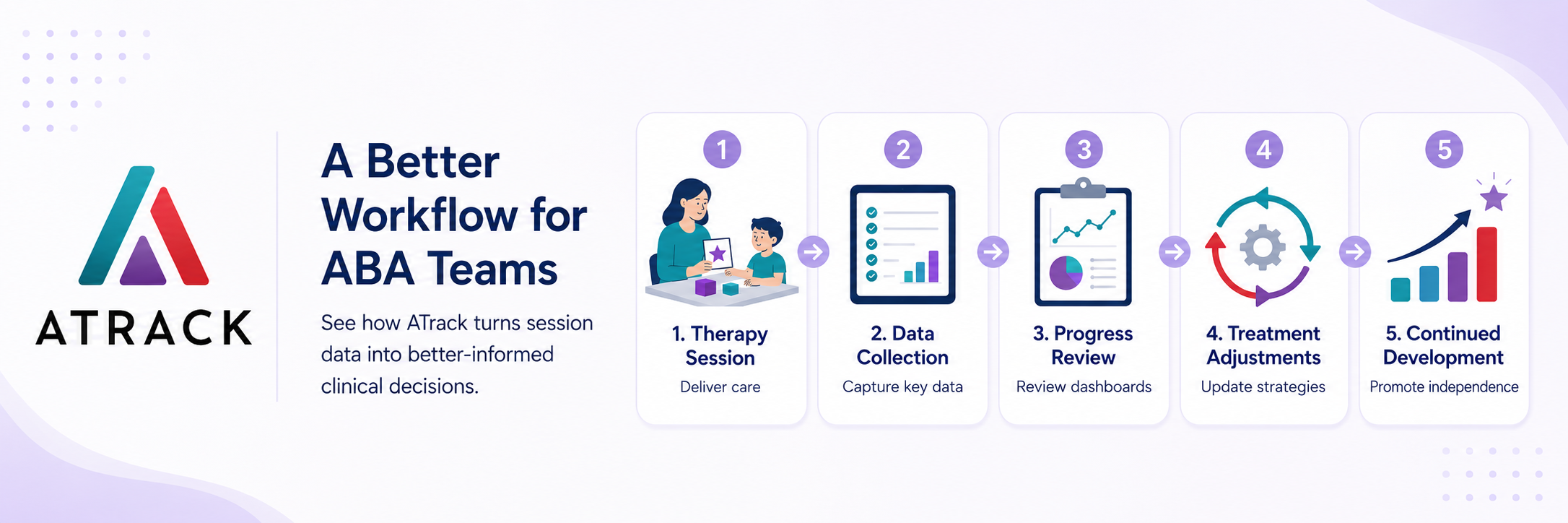
During therapy sessions, Registered Behavior Technicians® (RBTs®) and other members of the clinical team collect information related to the child's treatment goals.
Depending on the skill being addressed, clinicians may track:
Independent responses
Prompting or assistance
Frequency and duration of behaviors
Skill mastery
Changes in performance
Use of skills across different settings
ATrack gives the clinical team a centralized place to organize this information.
For families receiving ABA Therapy in Ohio, this allows the supervising BCBA to review patterns across sessions and gain a clearer understanding of how the child is responding to treatment.
Why progress data matters
ABA treatment is not intended to remain unchanged.
As a child develops new skills, the BCBA can use treatment data to determine when goals should be advanced, modified, or replaced.
For example, if a child becomes more independent with a communication skill, treatment may begin focusing on using that skill with different people or in new environments.
If progress slows, the BCBA may adjust the teaching strategy, modify prompting, provide additional practice opportunities, or break the skill into smaller steps.
ATrack helps make these patterns easier for the clinical team to review.
What can progress in ABA therapy look like?
Meaningful progress is unique to each child.
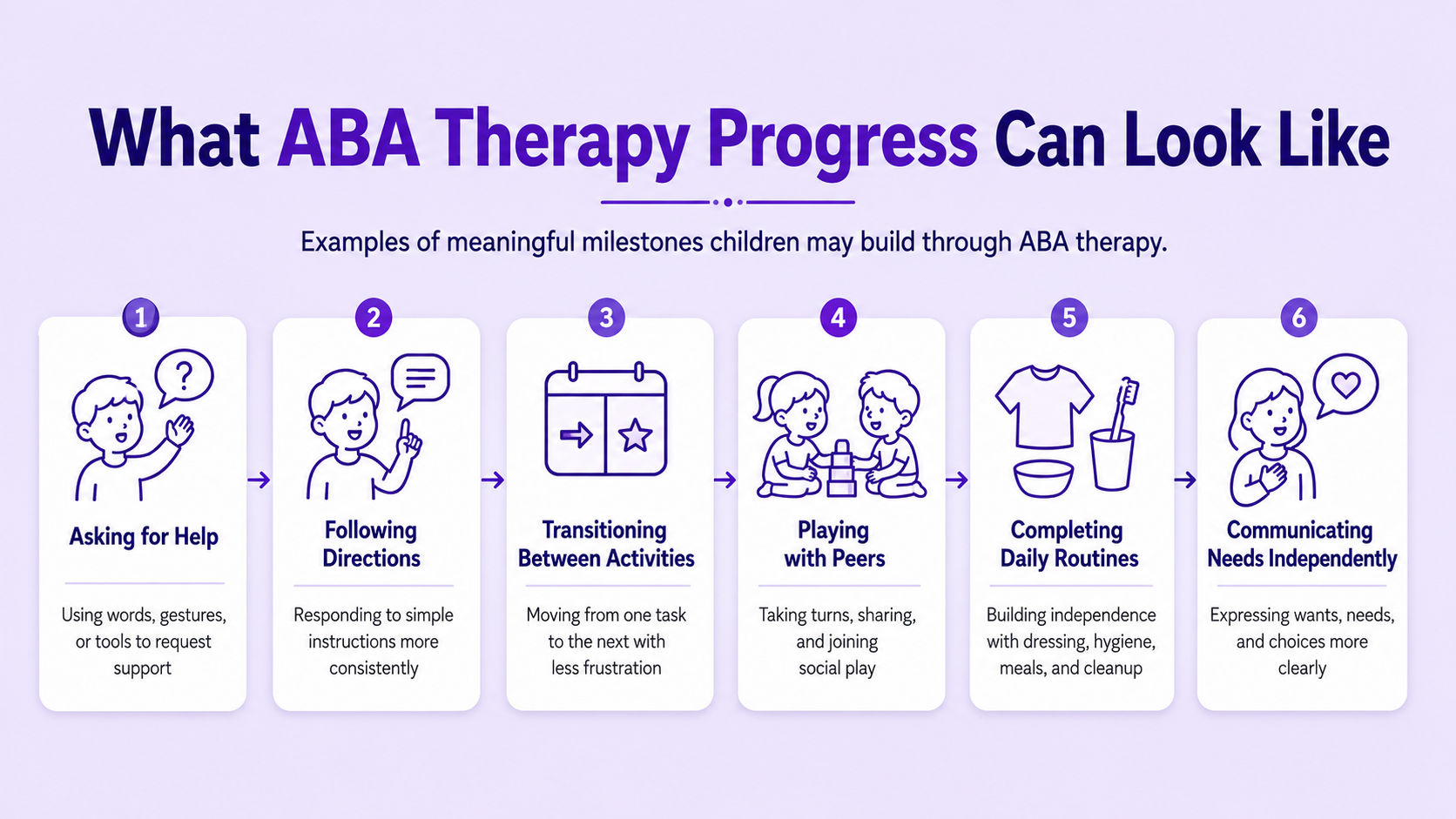
It may include:
Asking for help independently
Communicating wants and needs
Following directions
Transitioning between activities more successfully
Interacting with peers
Completing daily routines with less assistance
Participating in classroom or family activities
Using learned skills outside of therapy
Some changes may happen gradually, but small improvements can build toward greater confidence, participation, and independence.
Reviewing progress over time
A single therapy session does not provide the full picture.
ATrack helps clinicians look at data across longer periods so they can evaluate trends rather than isolated moments.
The supervising BCBA can use this information to determine whether a skill is improving, whether additional support is needed, or whether the child is ready to move on to a new goal.
This is especially important because progress is not always linear. Children may make rapid gains in one area while needing additional time in another.
Families are part of the process
Parents and caregivers can provide important information about how a child is using skills outside of therapy.
Families may notice improvements at home, in school, or in the community that help the clinical team better understand how skills are carrying over into everyday life.
Helpful questions for parents to ask include:
What goals is my child working on?
How is progress being measured?
Which skills are improving?
Are any goals taking longer than expected?
What can we practice at home?
What goals may come next?
Regular communication between families and clinicians helps keep treatment connected to meaningful everyday outcomes.
Data-informed ABA Therapy in Ohio
At Buckeye Behavioral Consulting Inc., we believe quality ABA Therapy in Ohio should be individualized, measurable, and responsive to each child's development.
ATrack helps our clinical team organize treatment data, monitor progress toward individualized goals, and support informed clinical decision-making.
Technology does not replace clinical expertise. It gives BCBAs and RBTs organized information that can help them better understand what is working and where treatment may need to change.
Better data. Better insights. Better-informed care.
Looking for ABA Therapy in Ohio?
If your family is exploring ABA Therapy in Ohio, Buckeye Behavioral Consulting Inc. can help you learn more about the assessment process, individualized treatment goals, and what getting started with services may involve.